Understanding the Mini Split of Air Conditioner
The mini split of air conditioner has revolutionized the way we think about home cooling and heating. Unlike traditional HVAC systems, mini splits offer versatile solutions that cater to various spatial requirements and personal preferences. With a focus on energy efficiency, ease of installation, and enhanced comfort, they have become an increasingly popular choice among homeowners and renters alike. In this article, we'll dive into the intricacies of mini split systems, examining their components, advantages, and the opportunities they present in today's market.
When exploring options, mini split of air conditioner provides comprehensive insights into the latest technologies and models suited for every budget and requirement.
What is a Mini Split Air Conditioner?
A mini split air conditioner is a ductless heating and cooling system that allows for the precise control of temperature in individual zones of a home or building. Unlike conventional central air systems, which rely on ductwork to distribute cooled or heated air, mini splits utilize a compact design that consists of an outdoor compressor unit and one or more indoor air handling units. This configuration offers significant benefits in terms of installation flexibility, efficiency, and system performance.
Key Components and Design Features
Mini split systems typically comprise three main components:
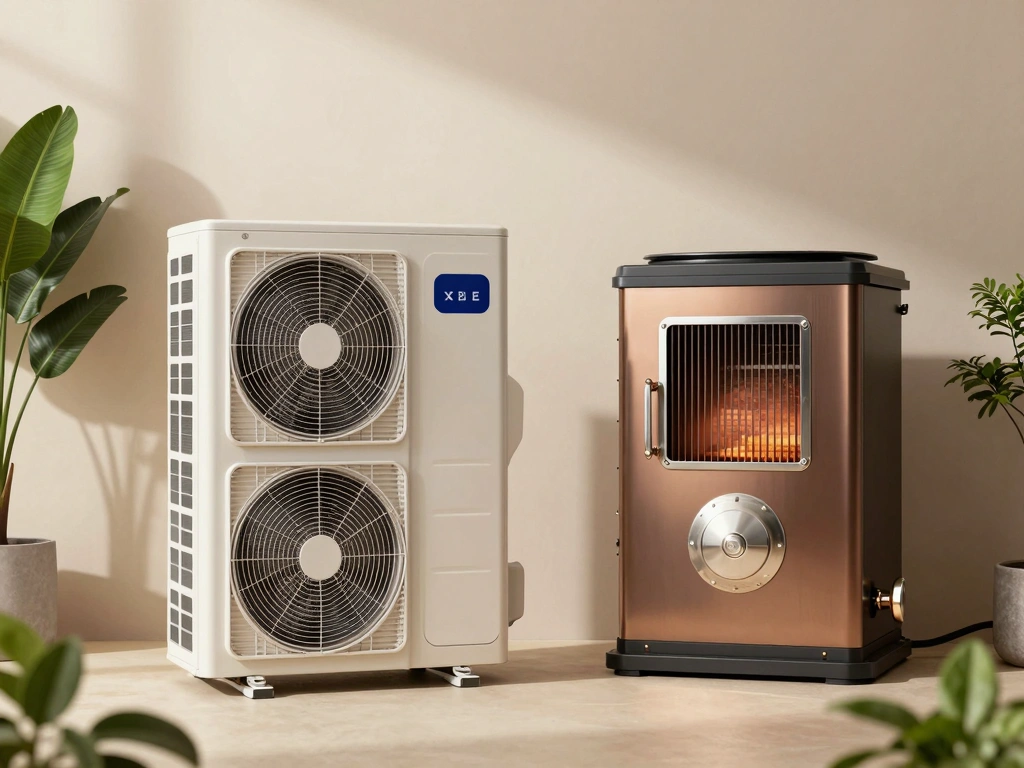
- Outdoor Unit: This is the compressor and condenser, responsible for expelling heat from inside the house to the outside environment.
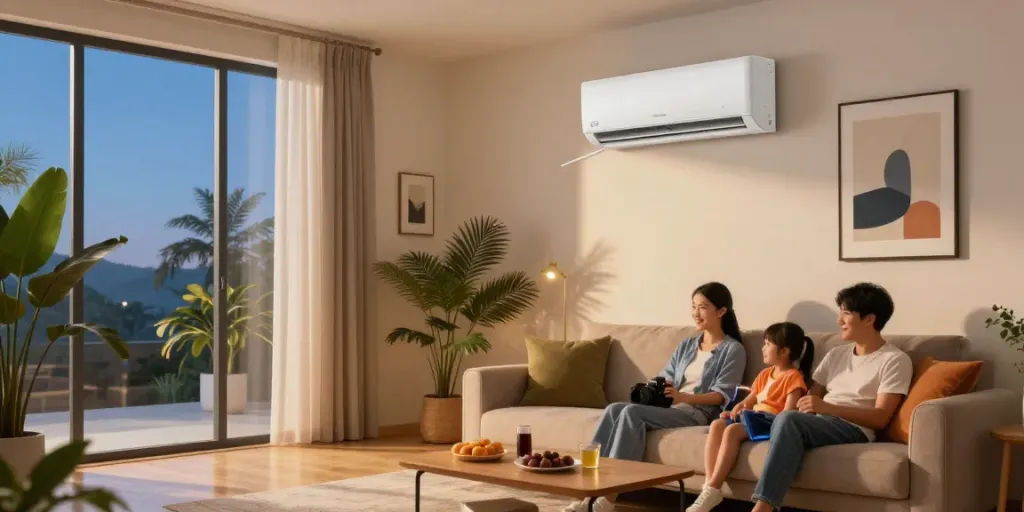
- Indoor Unit: Mounted on walls or ceilings, these units blow cooled or heated air into the living space and can be controlled independently.
- Refrigerant Lines: These connect the indoor and outdoor units, allowing for the transfer of thermal energy.
The design of mini splits significantly reduces the need for ductwork, making them ideal for renovation projects, new constructions, and even spaces where duct installation is not feasible.
Energy Efficiency and Environmental Impact
Energy efficiency is one of the hallmark features of mini split systems. Many models are equipped with inverter technology, which allows the compressor to adjust its speed and maintain consistent temperatures without the energy spikes associated with traditional systems. This capability can lead to a reduction in energy consumption by up to 30% compared to conventional air conditioning options, thereby decreasing your carbon footprint.
Advantages of Mini Split Systems
Flexible Installation Options for Various Spaces
One of the most significant advantages of mini split air conditioners is their versatility in terms of installation. Homeowners can choose between wall-mounted, ceiling-mounted, or floor-mounted options depending on the layout and aesthetics of their spaces. Additionally, their ductless nature means that they can be installed in areas where traditional systems would be impractical, such as in older homes or in converted spaces like attics or garages.
Cost Savings on Energy Bills
Investing in a mini split system can yield substantial cost savings over time. With their high energy efficiency ratings, homeowners can expect lower utility bills compared to traditional HVAC systems. Many units also qualify for energy efficiency incentives, further reducing initial costs and long-term operational expenses.
Improved Air Quality and Comfort
Mini split systems often come with advanced air filtering options that help to remove allergens, dust, and other pollutants from the indoor air. This is particularly beneficial for those with allergies or respiratory issues. Furthermore, the ability to control the temperature in individual rooms leads to enhanced comfort, as different occupants can adjust the settings to meet their personal preferences.
Common Misconceptions About Mini Splits
Addressing Noise Concerns
One common misconception about mini split units is that they are noisy. However, advances in technology have led to the development of ultra-quiet models that operate at sound levels comparable to a whisper. Most modern units are designed to work efficiently while producing minimal noise, making them suitable for bedrooms, offices, and other quiet spaces.
Debunking Myths About Efficiency
Another prevalent myth is that mini split systems are not as efficient as traditional central air conditioning systems. In reality, mini splits can provide superior efficiency, especially in homes with specific cooling needs or in climates that require frequent adjustments. When properly sized and installed, these systems can outperform conventional options.
Installation Challenges Clarified
While some may believe that installing a mini split system is a daunting task, many models are designed for straightforward installation. With the right tools and skills, homeowners can successfully install DIY systems. However, professional installation is recommended for optimal efficiency and to ensure compliance with local building codes.
Choosing the Right Mini Split System
Factors to Consider When Buying
When selecting a mini split air conditioner, several factors should be considered:
- Size: Ensure the unit is appropriately sized for the space to achieve maximum efficiency and comfort.
- SEER Rating: Look for models with a high Seasonal Energy Efficiency Ratio (SEER) rating for better energy savings.
- Features: Examine different models for features like programmable settings, Wi-Fi connectivity, and air purification options.
Top Brands and Models for 2026
As we look towards 2026, several brands are emerging as leaders in the mini split market. Companies like Mitsubishi, Daikin, and Fujitsu are recognized for their reliable performance and cutting-edge technology. Newer entrants are also innovating with energy-efficient models that incorporate smart technology for enhanced user control.
Installation Cost and Considerations
The cost of installing a mini split system can vary significantly based on factors such as the number of indoor units, complexity of the installation, and regional labor costs. On average, homeowners can expect to pay between $3,000 and $5,000 for installation. It’s essential to obtain quotes from multiple contractors and consider the long-term savings when evaluating upfront costs.
Future Trends in Mini Split Technology
Smart Features and Home Automation Integration
The integration of smart technology is becoming increasingly prevalent in mini split systems. Features such as smartphone control, voice activation, and zoning capabilities are now standard in many models. This allows homeowners to optimize energy usage and control their indoor climate from anywhere, enhancing convenience and efficiency.
Advancements in Energy Efficiency Standards
As the demand for energy-efficient appliances continues to rise, manufacturers are investing in new technologies that enhance the energy performance of mini split systems. Innovations such as variable-speed compressors and improved insulation materials are expected to further boost efficiency and reduce environmental impact.
Predictions for Market Growth and Design Evolution
With growing awareness of energy conservation and environmental sustainability, the market for mini split air conditioners is projected to expand significantly in the coming years. As more homeowners seek alternatives to traditional HVAC systems, innovations in design, efficiency, and user experience will shape the future of mini split technology.
What are the downsides of a mini-split AC system?
While mini split systems have numerous advantages, they are not without drawbacks. The initial investment can be higher than traditional systems, and some users may find the aesthetic of the indoor units less appealing. Additionally, regular maintenance is required to ensure optimal performance.
Why is my electric bill so high with a mini split?
High electric bills can result from several factors, including improper sizing, inefficient usage patterns, or lack of maintenance. Ensuring that the unit is correctly sized for your space and scheduling regular maintenance can help mitigate these issues.
What is the typical cost of installing a mini split system?
The cost of installation can vary widely but typically ranges from $3,000 to $5,000. Factors like the number of units and installation complexity can affect this price, so it is best to obtain estimates from certified HVAC professionals.
Are mini-splits good for air conditioning?
Yes, mini-split systems provide effective cooling solutions for residential and commercial spaces. Their ability to control temperatures in individual zones, combined with high energy efficiency ratings, makes them an excellent choice for many settings.