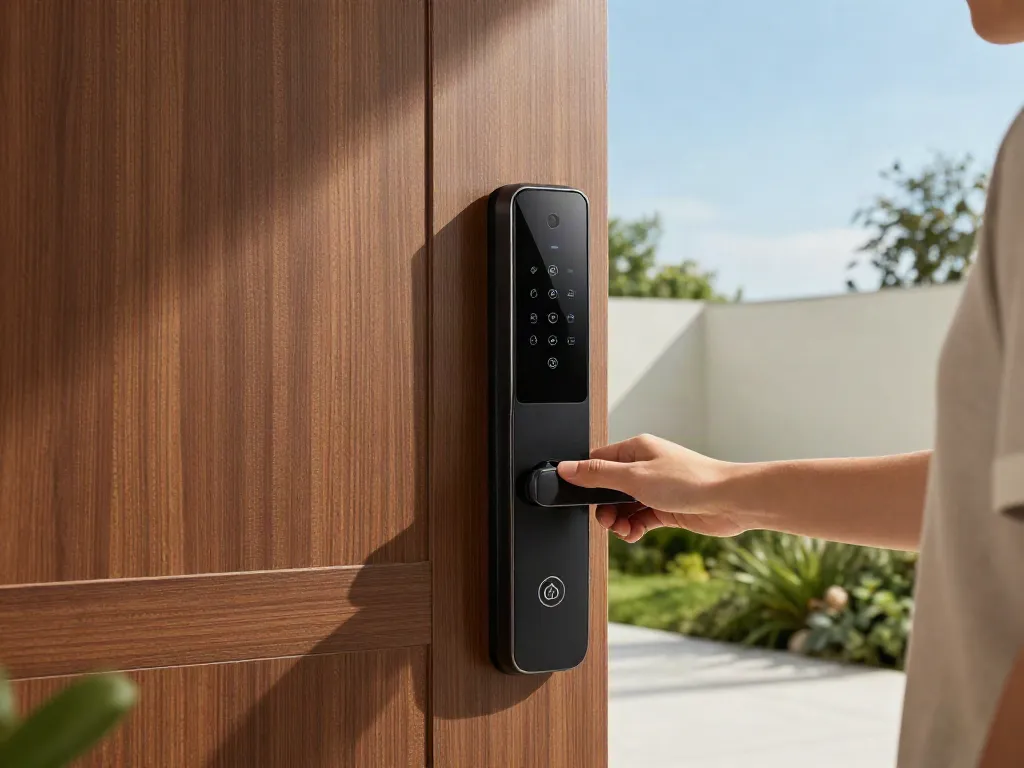
Understanding Smart Locks: What You Need to Know
As technology advances, so do our security needs. Traditional locks are gradually being replaced by smarter alternatives that offer enhanced security features, remote access, and user-friendly functionalities. This evolution has given rise to the concept of قفل هوشمند, which translates to smart locks in English. These devices are not just about locking your doors; they represent a significant leap in home security, blending convenience with advanced technology. In this article, we will explore the intricacies of smart locks, their features, benefits, types, installation processes, maintenance tips, and future trends in the industry.
What is a قفل هوشمند?
A smart lock is an electronic locking device that allows users to secure and unlock doors without traditional keys. Instead, they often utilize a combination of technologies such as Wi-Fi, Bluetooth, biometrics, and keypad entry systems. Smart locks can be controlled remotely via smartphones and other devices, allowing users to manage access permissions, monitor entry logs, and receive real-time alerts regarding the status of their locking mechanisms.
Key Features of Modern Smart Locks
Modern smart locks are equipped with a variety of features that enhance the security and convenience of traditional locking mechanisms. Some of the key features include:
- Remote Access: Control your lock from anywhere through a smartphone app.
- Keyless Entry: Use codes, fingerprint scans, or mobile devices to unlock instead of traditional keys.
- Temporary Access Codes: Provide guest access for a limited time without giving them a physical key.
- Activity Log: View a history of all entries and exits for security tracking.
- Integration with Smart Home Systems: Connect with other smart devices for seamless operation within a smart home ecosystem.
Benefits of Installing a Smart Lock
The benefits of installing a smart lock extend beyond mere convenience. Here are some notable advantages:
- Increased Security: Enhanced locking mechanisms reduce the chances of unauthorized access.
- Convenience: No more fumbling for keys; quick access through mobile devices or biometrics.
- Remote Monitoring: Keep an eye on who enters or leaves your home, no matter where you are.
- Customizable Settings: Manage user permissions and settings to suit your lifestyle and security needs.
Types of Smart Locks and Their Functionality
Understanding the various types of smart locks is crucial when deciding which one suits your needs. Here’s a breakdown of the most common types and their functionalities.
Biometric vs. Keypad قفل هوشمند
Biometric smart locks use fingerprint recognition or facial recognition technology for access, providing high-security levels due to the uniqueness of biological identifiers. In contrast, keypad smart locks require users to enter a numerical code to gain entry, which can be easier but potentially less secure if codes are shared or compromised.
Wi-Fi Enabled vs. Bluetooth Smart Locks
Wi-Fi enabled smart locks connect directly to your home’s Wi-Fi network, allowing remote access from anywhere. Bluetooth locks, however, require proximity for access, as they connect directly with your smartphone. While Bluetooth locks may limit remote access, they can provide quicker unlocking features for users nearby.
Considerations for Choosing the Right Type
When choosing a smart lock, consider factors such as:
- Your preferred method of access: biometric, keypad, or smartphone-based.
- Connectivity options: whether you prefer Wi-Fi for remote access or Bluetooth for local use.
- Compatibility with your existing door hardware.
- Your budget and desired security level.
Installing Your Smart Lock: A Step-by-Step Guide
Installing a smart lock can be a straightforward process if done correctly. Below is a comprehensive guide to help you through the installation.
Preparing for Installation
Before starting the installation, gather all necessary tools and materials, including the smart lock kit, screwdriver, and drill if required. Ensure you read the manufacturer’s instructions carefully and check whether your door is compatible with the smart lock system you’ve chosen.
Installation Process Overview
1. Remove the Existing Lock: Unscrew and take out your current lock.
2. Install the Smart Lock: Follow the specific instructions for your smart lock model. Usually, this includes placing the lock cylinder into the door and securing it in place.
3. Attach the Interior Assembly: Secure the interior components of the smart lock following the manufacturer’s guidelines.
4. Connect Power Supply: If your smart lock requires batteries or a power source, install these components as directed.
5. Test the Lock: After installation, test to ensure the lock operates correctly both via manual operation and through the accompanying app.
Testing Your قفل هوشمند After Installation
Once installed, it's essential to test your smart lock thoroughly. Check the responsiveness of the mobile app, ensure that remote access works, and verify that the lock operates correctly using all authentication methods available.
Maintaining and Troubleshooting Your Smart Lock
Regular maintenance and troubleshooting will ensure your smart lock remains functional and secure over time.
Regular Maintenance Tips
1. Clean the lock periodically to remove dust and debris.
2. Check and replace batteries as needed to prevent operational failures.
3. Ensure all software is up to date to benefit from the latest security features.
Common Issues and Solutions
Common problems include connectivity issues or failure to recognize fingerprints. If you experience these, check the internet connection, ensure the app is updated, and clean the fingerprint sensor.
Upgrading Your Smart Lock Software
Staying updated with the latest firmware for your smart lock enhances its security and functionality. Manufacturers often release updates that improve performance and offer new features, so always check the app or the manufacturer's website for available updates.
The Future of Smart Lock Technology
The landscape of smart lock technology is continuously evolving. With advancements in artificial intelligence and machine learning, the future promises even more sophisticated locking solutions.
Emerging Trends in Smart Security
Among the most exciting trends are integration with home automation systems, smarter AI-driven security algorithms, and enhanced biometric technologies that could make smart locks even more secure.
How AI is Shaping قفل هوشمند Innovations
Artificial intelligence is beginning to play a significant role in the functionality of smart locks. For instance, AI can learn from user behavior to streamline access patterns and enhance security measures by flagging unusual activities.
Predictions for the Next Five Years
As smart home technology matures, expect to see smarter locks with improved predictive capabilities, better integration with home security systems, and features like voice-activated locking mechanisms.
What are the security advantages of قفل هوشمند?
Smart locks provide numerous security advantages, including encrypted access, remote monitoring, customizable access options, and immediate alerts for unauthorized entry attempts.
How do I choose the best قفل هوشمند for my home?
When selecting a smart lock, consider the level of security you need, compatibility with your door and home network, ease of use, and whether you prefer biometric or keypad access options.
Can smart locks work with existing deadbolts?
Many smart locks are designed to be retrofittable, meaning they can work in conjunction with existing deadbolts, providing an additional layer of security.
What is the average lifespan of a smart lock?
The lifespan of a smart lock can vary significantly based on the quality of the device and its usage, but most high-quality models last around five to ten years.
Are there any privacy concerns with using smart locks?
Privacy concerns mainly revolve around the data collected by the smart lock and how it is stored. Opting for reputable brands with strong privacy policies can mitigate these risks.