Understanding the Role of Bagging Machines in Production
In the ever-evolving landscape of manufacturing and packaging, bagging machines play a pivotal role in ensuring that products are efficiently packed and ready for distribution. These machines can automate several stages of the packaging process, from bag forming to sealing, significantly minimizing human error and increasing throughput. As a professional in the industry, understanding the functionality and capability of bagging machines is crucial for optimizing your operations. Leading bagging machines manufacturer like Durzerd have honed their products to cater to a diverse range of industries, enhancing productivity and product quality.
What Are Bagging Machines and How Do They Work?
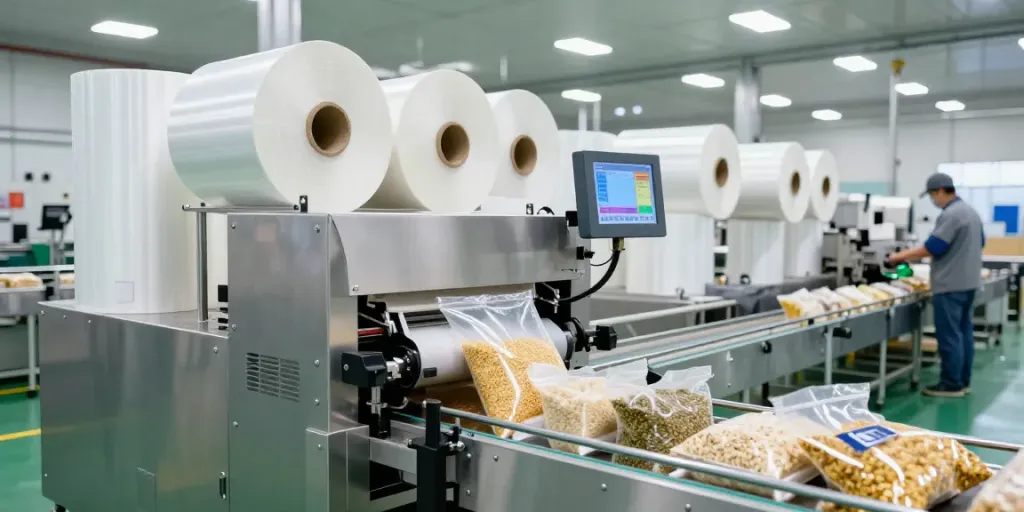
Bagging machines are specialized equipment designed to fill and seal bags with various types of products, including powders, granules, and liquids. These machines function by automatically transporting bags into position, filling them with the desired product, and sealing them for secure transport. Most are equipped with advanced sensors and technology that ensure precise measurements, reducing waste and ensuring consistency across batches. This level of automation is crucial for mass production settings where speed and accuracy are paramount.
Types of Bagging Machines Used in Various Industries
Different industries require different types of bagging machines to meet their specific needs. Common types include:
- Open-Mouth Bagging Machines: Primarily used for bulk products like grains, fertilizers, and chemicals.
- Form-Fill-Seal (FFS) Machines: These machines create bags from flat film, fill them with product, and seal them, making them ideal for food packaging and consumer goods.
- Vertical Form Fill Seal (VFFS) Machines: Typically used for liquids and granules, these machines are efficient and save space.
- Horizontal Form Fill Seal Machines: Often utilized for packaging vacuum-sealed products and snacks.
Benefits of Choosing an Experienced Bagging Machines Manufacturer
When selecting a bagging machines manufacturer, opting for experienced companies like Durzerd can yield numerous benefits:
- Expertise: Established manufacturers often have extensive knowledge and experience in various packaging processes, leading to more reliable and effective machines.
- Customization: They provide tailored solutions to meet specific production requirements, enhancing efficiency and output.
- Technical Support: With ongoing support and maintenance services, manufacturers ensure that operations run smoothly post-installation.
- Incorporation of Latest Technology: Experienced manufacturers tend to be at the forefront of technological advancements, ensuring that their machines are equipped with state-of-the-art features for optimal performance.
Identifying Common Mistakes in Bagging Operations
Overlooking Machine Maintenance and Upkeep
One of the most common pitfalls in bagging operations is neglecting regular maintenance of bagging machines. Regularly scheduled maintenance helps identify potential issues before they escalate, ensuring that machines operate at peak efficiency. Preventative maintenance can mitigate downtime caused by equipment failure and extend the lifespan of the machinery.
Improper Application for Bagging Needs
Selecting the wrong type of bagging machine for your product can lead to inefficiencies and increased operational costs. It is essential to analyze the characteristics of the product being packaged, such as its flowability, moisture content, and packaging requirements, to select a suitable machine. Consultation with a reliable bagging machines manufacturer can guide you toward the right choice.
Neglecting Employee Training and Safety Procedures
Proper training of employees operating bagging machines is crucial for ensuring safety and efficiency in the workplace. Neglecting to provide adequate training can lead to accidents and costly mistakes. Moreover, maintaining a clear set of safety procedures is essential for protecting workers and ensuring compliance with industry regulations.
Best Practices for Efficient Bagging Processes
Customizing Equipment Settings for Optimal Performance
Every production line has unique demands, and customizing equipment settings can lead to improved performance. Adjusting factors such as filling speed, bag size, and sealing temperature to match the specific application can help optimize productivity and enhance product integrity.
Implementing Effective Quality Control Measures
To maintain high standards, implementing robust quality control measures is crucial. This can include regular inspections of both the bags and the packaging process, monitoring for leaks or misseals, and conducting periodic audits of the entire system to identify areas for improvement. Leveraging technology such as machine vision systems can further enhance the quality control process.
Integrating Technology for Enhanced Productivity
In an age where technology continues to advance, integrating modern solutions such as IoT devices and data analytics can significantly enhance bagging operations. These technologies allow for real-time monitoring of machine performance, predictive maintenance, and data-driven decisions that boost overall efficiency.
Real-World Examples of Successful Bagging Systems
Case Studies: Industries Benefitting from Automated Bagging Machines
Numerous industries have successfully integrated automated bagging systems into their operations. For instance, in the food industry, a leading snack manufacturer implemented a vertical form fill seal machine and saw a 30% increase in efficiency while maintaining stringent hygiene standards. In the agricultural sector, an open-mouth bagging machine adopted by a fertilizer company improved their packaging speed and reduced labor costs by 40%.
Lessons Learned from Bagging System Failures
While many companies enjoy the benefits of automated bagging, there are also lessons to be learned from failures. Several manufacturers have reported issues stemming from improperly aligned machines or insufficient training, which led to increased waste and product recalls. These cases underscore the importance of thorough planning and effective training to ensure success.
Innovations Leading the Future of Bagging Machines
Innovation in the bagging machines sector is driven by the need for greater efficiency and sustainability. Recent advancements include machines that utilize biodegradable materials for packaging and systems that leverage artificial intelligence to optimize packing lines. As the industry moves toward more sustainable practices, the demand for such innovative solutions will continue to grow.
Future Trends in the Bagging Machines Manufacturing Industry
Emerging Technologies Influencing Bagging Operations
Future advancements in technology are set to transform the bagging operations landscape. Automation and robotics will play a crucial role in enhancing efficiency and reducing operational costs, while advancements in AI will provide deeper insights into productivity and machine health, prompting data-driven adjustments across operations.
Sustainability Practices in Packaging and Bagging
The shift towards sustainable practices is becoming increasingly important in manufacturing. Companies are exploring the use of eco-friendly materials and more efficient packaging processes to reduce waste and energy consumption. Bagging machines that accommodate sustainable practices will be pivotal in meeting both regulatory requirements and consumer expectations.
Predictions for the Bagging Machines Market in 2026
Looking to the future, the bagging machines market is poised for significant growth, projected to expand in response to rising demand across various sectors. Innovations in machine design, increased automation, and a focus on sustainability will shape the market. Companies that adapt to these trends are likely to lead in the competitive landscape of 2026 and beyond.
What are the various types of bagging machines available?
Bagging machines vary greatly in function and design, depending on the specific needs of the industry. Major types include open-mouth bagging, FFS, VFFS, and horizontal form fill seal machines, each tailored for different product types and packaging requirements.
Who are the leading manufacturers of automated bagging machines?
Leading manufacturers such as Durzerd, Choice Bagging Equipment, and Sealed Air provide a range of automated bagging machines that cater to diverse industrial applications, ensuring reliability and efficiency.
How can I improve the efficiency of my bagging operations?
Improving bagging efficiency can be achieved through equipment customization, regular maintenance, employee training, and the implementation of technological solutions such as automation and data analytics.
What maintenance practices should be followed for bagging machines?
Regular maintenance should include routine inspections, timely replacement of worn parts, calibration of equipment settings, and adherence to manufacturer guidelines to ensure effective operation.
Where can I find reliable bagging machines for my industry?
Consult with reputable bagging machines manufacturers who offer a range of equipment suited to your specific needs, ensuring you receive the best solution for your production requirements.