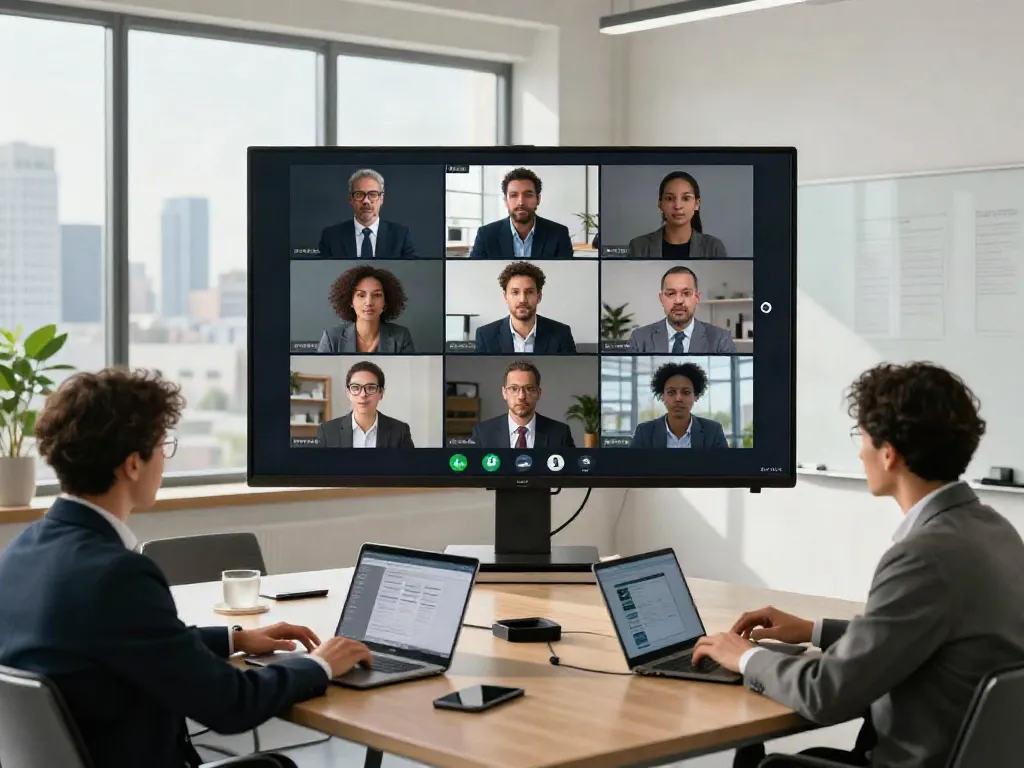
Understanding the Risks of Deepfake Technology
As the digital landscape evolves, so does the sophistication of cyber threats. Among the most concerning developments are deepfakes—AI-generated synthetic media that can replicate real individuals' likenesses and voices. This technology, while fascinating, poses significant risks in corporate environments where trust and authenticity are paramount. With deepfakes becoming increasingly convincing and accessible, organizations must navigate the potential vulnerabilities in their communication channels. Understanding these risks is crucial for safeguarding sensitive discussions and maintaining integrity in online interactions.
What are Deepfakes?
Deepfakes are synthetic media where AI algorithms create hyper-realistic images or sounds that manipulate reality. By using deep learning techniques, particularly Generative Adversarial Networks (GANs), these systems can generate videos or audio recordings that convincingly mimic actual people. Initially popularized in entertainment, deepfake technology has infiltrated other areas, including corporate video conferencing, posing serious threats to privacy and security.
How Deepfakes Threaten Corporate Communication
In corporate settings, deepfakes can undermine trust and facilitate illicit activities. For instance, an attacker could use a deepfake to impersonate a CEO during a virtual meeting, potentially authorizing fraudulent transactions or providing sensitive information. This could lead to significant financial losses and reputational damage. As organizations increasingly rely on video conferencing tools like Microsoft Teams and Zoom, the threat landscape has expanded, making deepfake detection a priority for IT security teams.
Legal Implications of Using Deepfake Content
With the rise of deepfakes, legal frameworks are rapidly evolving. Organizations using deepfake technology, intentionally or otherwise, may find themselves in legal jeopardy. Issues surrounding copyright, identity theft, and defamation are at the forefront of this discourse. Many jurisdictions are beginning to implement regulations aimed at mitigating the risks associated with deepfakes. This legal landscape complicates the use of deepfake technology, necessitating that organizations take proactive measures to understand and comply with emerging laws.
Deepfake-Protection Solutions for Meetings
Organizations are recognizing the critical need for tools designed to secure their virtual interactions. When exploring options, Deepfake-protected meetings provide comprehensive insights into safeguarding sensitive discussions. As deepfake technology advances, the solutions to counteract it become equally sophisticated, integrating AI-based detection and mitigation strategies.
Overview of Available Security Tools
Several technologies and methodologies have emerged to protect against deepfake threats during virtual meetings. These tools typically focus on verification processes that confirm the identities of participants:
- Real-Time Authentication: Implementing features that require attendees to verify their identity through biometrics or two-factor authentication can greatly reduce the risk of unauthorized access.
- Deepfake Detection Software: Several AI-powered solutions can analyze video feeds in real-time to detect inconsistencies typical of deepfake content, such as unnatural facial movements or audio mismatches.
- Digital Watermarking: Some platforms are exploring digital watermarking to track and verify the authenticity of video content, adding an extra layer of security.
Best Practices for Implementing Deepfake Protection
To effectively shield meetings from deepfake risks, organizations should adopt best practices:
- Conduct Regular Security Training: Employees should be educated about deepfake technology, its potential threats, and identifying suspicious behaviors during meetings.
- Establish Clear Protocols: Creating guidelines on how to handle unverified video content or unexpected changes in participant identity helps teams respond effectively under pressure.
- Test Deepfake Defense Measures: Regularly conducting drills to test the effectiveness of deepfake detection tools can help ensure that security measures are functioning optimally.
Case Studies of Successful Implementations
Numerous organizations are sharing their success stories after implementing deepfake protection strategies. For example, a prominent financial institution recently adopted an integrated security solution that leverages both AI detection and user training to thwart deepfake attempts during crucial board meetings. This initiative not only bolstered their security posture but also enhanced trust among stakeholders.
Identifying Deepfake Threats in Real-Time
Real-time detection of deepfake technology is vital for maintaining security during virtual meetings. Organizations must train their employees to recognize specific warning signs of deepfake presence.
Signs of Deepfake Presence in Video Conferencing
Employees should be aware of characteristics that may indicate deepfake manipulation:
- Inconsistent Facial Expressions: Deepfake technology often struggles to synchronize facial movements with speech accurately.
- Audio-Visual Mismatches: Pay attention to discrepancies between the audio and video; a delayed response or off-synchrony can suggest manipulation.
- Unnatural Lighting Effects: Look for unusual shadows or lighting inconsistencies that do not match the environment.
Technical Methods for Detection
Organizations can deploy several technical methods to detect deepfakes:
- Frame Analysis: Analyzing individual frames of a video can reveal distortions or alterations typical of deepfake technology.
- Image Forensics: Tools that analyze the pixel-level integrity of images can identify tampering.
- AI and Machine Learning Solutions: Advanced algorithms can be trained to recognize deepfake patterns, thus automating detection processes.
Training Employees to Recognize Deepfakes
An essential part of preventing deepfake misuse is employee training. Workshops that educate on the evolution of deepfake technology and provide real-world examples can empower staff to be vigilant. Role-playing scenarios can also enhance their ability to recognize potential threats in real time.
Future Trends in Meeting Security
The ongoing evolution of technology means that meeting security strategies must also adapt. As deepfakes evolve, so too will the measures to combat them, ensuring corporate environments remain secure.
Emerging Technologies and Practices for 2026
Looking ahead to 2026, several technologies and practices are expected to shape the landscape of meeting security:
- Biometric Authentication: The adoption of facial recognition and voice biometrics is anticipated to rise, offering robust security solutions for identity verification.
- Decentralized Authentication Protocols: Blockchain technology may provide additional layers of verification that could help in confirming identities more effectively.
- Aggressive AI Countermeasures: As deepfake technology improves, so will the AI systems designed to combat it, potentially leveraging big data analysis for enhanced detection capabilities.
Predictions for Deepfake Regulation
As deepfakes increasingly become a tool for deception, regulatory bodies are expected to introduce stringent measures. Predictions suggest an uptick in legislation aimed at penalizing illicit use of deepfake technology, particularly in corporate settings. Organizations will need to stay informed about these regulations to ensure compliance and risk mitigation.
The Role of AI in Enhancing Security Measures
AI will play a critical role in enhancing security protocols surrounding meetings. From automated monitoring of video feeds to real-time alerts about suspicious activity, integrating AI-driven solutions can significantly bolster an organization's defenses against deepfake threats.
Frequently Asked Questions
Are deepfakes illegal in corporate settings?
The legality of deepfakes varies by jurisdiction and context. In corporate settings, using deepfakes without disclosure may lead to severe legal implications, particularly concerning impersonation and fraud.
What does deepfake protection technology entail?
Deepfake protection technology encompasses a range of solutions, including authentication processes, real-time detection software, and user training to recognize potential threats during meetings.
How can organizations ensure meeting security?
Organizations can ensure meeting security by implementing robust authentication methods, maintaining updated security protocols, and actively educating employees about the risks of deepfakes.
What should I do if I suspect a deepfake during a meeting?
If a deepfake is suspected during a meeting, you should report the incident immediately to your IT security team, who can investigate and take appropriate action.
What future advancements can we expect in meeting security?
Future advancements in meeting security are likely to include enhanced AI-driven detection systems, improved biometric verification methods, and the integration of blockchain technologies to ensure authenticity and compliance.