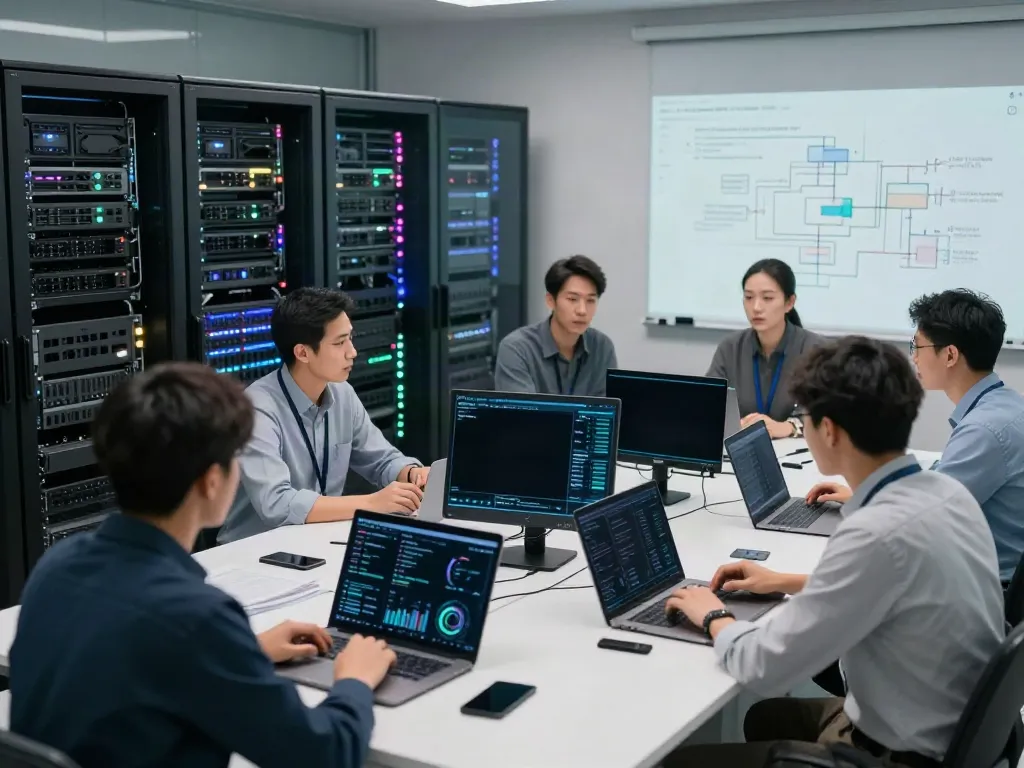
Understanding AI Infrastructure
As the world continues to embrace artificial intelligence (AI) technologies, the need for robust and scalable AI infrastructure becomes increasingly crucial. This infrastructure encompasses a wide array of hardware and software components that facilitate the development, deployment, and management of AI-powered applications. With the growing integration of AI across industries, understanding the foundational elements of AI infrastructure is essential for organizations aiming to innovate and remain competitive.
What is AI Infrastructure?
AI infrastructure refers to the framework that supports AI initiatives, including the computational power, data storage, and networking required to perform AI tasks. It is designed to handle the unique demands of AI workloads, including large datasets and complex algorithms. By ensuring that these components function cohesively, AI infrastructure allows for efficient data processing and model training.
Key Components of AI Infrastructure
AI infrastructure can be broken down into several key components:
- Hardware: Includes high-performance GPUs, CPUs, and specialized processors that accelerate AI computations.
- Software: Comprises frameworks and tools that support AI model development, such as TensorFlow, PyTorch, and Apache Spark.
- Networking: Essential for connecting various hardware components and facilitating data transfer between systems.
- Data Storage: Systems that provide the necessary capacity to store vast amounts of data, ensuring quick access and processing.
Importance of AI Infrastructure in Today's Tech Landscape
In today's digital economy, organizations leverage AI to gain insights, automate processes, and improve decision-making. A well-structured AI infrastructure is crucial for maximizing these benefits. With the right infrastructure, businesses can enhance their operational efficiency, reduce costs, and innovate faster. Additionally, as more organizations adopt AI solutions, the demand for reliable infrastructure that scales with growth becomes paramount.
Building Blocks of AI Infrastructure
The building blocks of AI infrastructure encompass various hardware and software components, combined to create an efficient and scalable environment for AI applications.
Hardware Requirements for Effective AI Performance
High-performance hardware is necessary for AI workloads, including:
- Graphics Processing Units (GPUs): Essential for parallel processing, enabling faster computation of complex algorithms.
- Tensor Processing Units (TPUs): Specialized hardware designed to accelerate machine learning tasks.
- High-speed Storage Solutions: Such as SSDs, which allow for rapid data access and retrieval.
Software Solutions for Optimizing AI Workflows
AI infrastructure also relies on robust software solutions, including:
- Machine Learning Frameworks: Like TensorFlow and PyTorch, which provide libraries and tools for building models.
- Data Management Platforms: Tools that streamline data organization, storage, and access, such as Apache Hadoop.
- Monitoring and Analytics Tools: Applications that track performance metrics and resource utilization.
Networking Needs for AI Systems
Networking is a critical aspect of AI infrastructure, as it connects different components and ensures seamless data flow. Key considerations include:
- Bandwidth: High bandwidth is required to handle large data transfers between storage and processing units.
- Latency: Low latency is crucial for real-time applications, where immediate data processing is necessary.
- Reliability: A dependable network infrastructure ensures uninterrupted communication and data transfer.
Participating in the AI Token Economy
The AI Token Economy represents a transformative model where computing resources are optimized and monetized through tokenization. AI infrastructure plays a pivotal role in facilitating this economy.
How AI Infrastructure Supports the Token Economy
AI infrastructure supports the token economy by enabling organizations to utilize computational resources efficiently. By leveraging token-mettered AI services, participants can track and monetize their resources effectively, ensuring they derive maximum value from their investments.
Your Role as a Contributor to AI Infrastructure
Individuals and organizations can participate in the AI token economy by becoming contributors to the AI infrastructure. Participation means supporting the energy and computing demands of AI operations without needing to build their own data centers. By choosing a suitable power plan, contributors can directly impact the efficiency and success of AI factories.
Reward Systems in AI Infrastructure Participation
Contributors to AI infrastructure are rewarded based on their participation, which can include electricity usage and resource allocation. This reward mechanism ensures a transparent and fair system where contributors benefit from their involvement in the AI token economy.
Common Challenges in AI Infrastructure
Despite the benefits, organizations face several challenges when adopting AI infrastructure. Understanding these hurdles can help businesses implement effective strategies to overcome them.
Scalability Issues in AI Deployment
As demand for AI solutions grows, scaling infrastructure to meet these needs becomes a challenge. Organizations must ensure their infrastructure can adapt to increasing workloads without compromising performance.
Maintaining Data Security and Privacy
With vast amounts of data processed and stored, maintaining data security and privacy is crucial. Organizations must implement robust security measures to protect sensitive information from breaches and unauthorized access.
Managing Costs and Resource Allocation
AI infrastructure can be costly, and organizations must carefully manage their resources to avoid overspending. This includes optimizing hardware utilization and selecting the most appropriate software solutions.
Future Trends in AI Infrastructure
As technology evolves, the landscape of AI infrastructure will continue to change. Staying ahead of these trends is essential for organizations looking to leverage AI effectively.
Emerging Technologies Impacting AI Infrastructure
Several emerging technologies are poised to impact AI infrastructure significantly. These include:
- Quantum Computing: Promises to revolutionize processing power, potentially accelerating AI computations.
- Edge Computing: Moves processing closer to data sources, reducing latency and bandwidth usage.
- 5G Technology: Enables high-speed data transfer, enhancing the connectivity of AI systems.
Predictions for AI Infrastructure Developments in 2026
By 2026, we can expect AI infrastructure to be more decentralized, with increased reliance on cloud services and edge computing solutions. This will enable organizations to access scalable resources as needed while enhancing the overall efficiency of AI deployments.
Strategies for Staying Ahead in AI Infrastructure
To remain competitive, organizations should consider the following strategies:
- Investing in Up-to-Date Technologies: Keeping abreast of the latest advancements in hardware and software.
- Implementing Robust Security Protocols: Ensuring data protection through comprehensive security measures.
- Foster Collaboration: Working with other organizations and stakeholders to share knowledge and resources.
What are the top 5 AI infrastructure companies?
Several companies are leading the charge in AI infrastructure, including:
- NVIDIA
- Google Cloud
- IBM
- Microsoft Azure
- Amazon Web Services (AWS)
What are the 5 levels of AI infrastructure?
AI infrastructure can typically be categorized into five levels:
- Level 1: Basic Infrastructure - Minimal compute and storage capabilities.
- Level 2: Intermediate Infrastructure - Enhanced processing capacity and data management.
- Level 3: Advanced Infrastructure - High-performance computing resources integrated with AI-specific software.
- Level 4: Optimized Infrastructure - Fully managed services with automated scaling.
- Level 5: Autonomous Infrastructure - Self-managing systems that adapt to changing AI workloads.
How does electricity support AI Token services?
Electricity plays a fundamental role in powering AI operations. It is necessary for running the hardware that processes AI workloads, ensuring that organizations can deliver reliable services within the AI token economy.
What happens when my AI infrastructure plan ends?
When an AI infrastructure plan concludes, the platform conducts a final assessment of the power contribution and related activities during the plan's duration. Contributors can review their performance and may choose to enroll in another plan to continue their participation.
Who can participate in the AI infrastructure ecosystem?
The AI infrastructure ecosystem is open to various participants, including individual contributors, enterprises, and organizations looking to support AI initiatives. As participation criteria may differ based on local regulations, interested parties should verify eligibility before engaging.